
Car Shipping Inspection Guide: Pickup and Delivery Checklist
When your car ships across the country, the most important paperwork you will ever touch is the condition report filled out at pickup and delivery. It is a simple form, but it decides whether a damage claim succeeds or fails. Many owners treat the inspection as a formality and sign without looking. That is exactly when problems start.
A proper car shipping inspection takes about twenty minutes at each end of the trip. You walk around the vehicle with the driver, photograph every panel, and confirm that the written report matches what you both see. Done right, it gives you timestamped proof of the car’s condition before and after transit.
This guide breaks the process into two checklists: one for pickup day and one for delivery day. It also covers what counts as real damage, what to do when you spot a new scratch, and how to handle deliveries after dark.
Why the Car Shipping Inspection Matters So Much
The carrier’s cargo insurance only pays for damage that happened during transit. To prove that, you need a pickup report showing the damage was not already there, plus a delivery report showing it appeared during the trip. Without both documents, the insurer can argue the scratch was pre-existing.
Your inspection is the evidence behind every claim. A careful walkaround with clear photos costs you nothing, while a rushed signature can cost you the entire repair bill.
The Pickup Day Checklist
1. Make the Car Easy to Inspect
A dirty car hides scratches and dents, which is why most carriers ask you to ship a reasonably clean vehicle. You do not need a showroom detail, but the panels should be visible. Wash the car the day before pickup and empty the trunk and cabin. For a full rundown of getting the vehicle ready, see the guide to how to prepare your car for shipping.
2. Photograph Everything Before the Driver Arrives
Photograph the car before the truck arrives. Shoot all four sides, the roof, the hood, the trunk lid, all four wheels, the windshield, and the odometer. Get close-ups of every existing scratch, dent, or chip with your phone’s date stamp on. These photos are your backup if anything is disputed later.
3. Walk Around the Car With the Driver
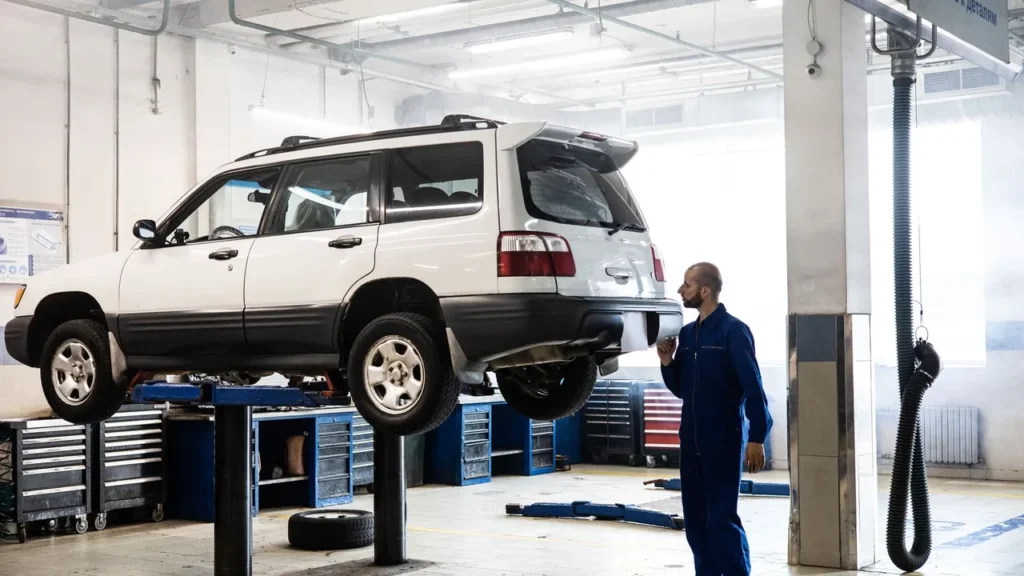
When the driver arrives, do the walkaround together, panel by panel. Point out every mark you already know about and watch as the driver notes it. A careful driver will crouch to check bumpers and rocker panels, and will note things like paint chips, windshield stars, and curb rash on wheels. If you want to know what else to expect when the truck pulls up, read the car shipping pickup day walkthrough.
4. Read the Condition Report Before You Sign
The driver records the inspection on the bill of lading, often on a vehicle diagram where damage is marked with X’s or codes. Read it line by line and compare it to your photos. If a scratch you can see is missing from the report, ask the driver to add it before you sign. Once you sign, the report becomes the official record of the car’s condition at pickup.
5. Note the Fuel Level and Odometer
Record the odometer reading and fuel level on the pickup report. Odometer readings rarely change during transport, but a large jump can signal the car was driven rather than hauled. Fuel should sit near a quarter tank, which most carriers require. Noting both numbers on the report closes off two common disputes before they start.
The Delivery Day Checklist
1. Inspect Before You Sign Anything
At delivery, the order of operations matters: inspect first, sign second. Walk the car the same way you did at pickup, using your pickup photos as the reference. Check the same panels, the same wheels, and the same glass. Do this with the driver present, not after they leave.
2. Compare Against the Pickup Report
Pull up the pickup condition report and your photos side by side with the car in front of you. New damage is anything on the car now that was not on the report then. Note the location and size of anything you find, and photograph it immediately with the delivery paperwork in frame if you can.
3. If You Find New Damage, Write It on the Delivery Report
Do not sign a clean delivery receipt on a promise to take care of it later. Write the damage on the bill of lading, describe it specifically, and have the driver acknowledge it. This written record is what lets you file a car shipping damage claim with the carrier’s cargo insurance. If you are unsure what happens next, the guide on what to do if your car is damaged during shipping lays out each step.
4. Deliveries After Dark Need Extra Care
Carriers sometimes deliver at night or in rain, when damage is easy to miss. Use your phone’s flashlight and take your time anyway. If visibility is truly too poor to inspect, write “subject to further inspection” on the delivery receipt before signing, then complete the walkaround at first light. Photograph the car in the morning and report anything new right away.
5. Confirm the Odometer and Fuel Level Again
Compare the delivery odometer and fuel readings to the numbers on the pickup report. A small difference is normal from loading and unloading, but a large jump deserves a direct question to the driver. Fuel may read slightly lower after the car is moved on and off the trailer a few times. Note anything unusual on the delivery report before you sign.
For a visual explanation of the paperwork side of shipping, this video covers the bill of lading and photo documentation in plain language:
Keep that video’s advice in mind at both ends of your trip. Good documentation at pickup makes the delivery inspection faster, because you already know exactly what to compare.
What Counts as Damage and What Does Not
Cargo insurance covers new physical damage caused during transit: dents, scratches, paint chips, cracked glass, and damage from loading equipment. It does not cover pre-existing damage, mechanical issues that develop on their own, or road grime and dust on open transport. Normal wear from a long trip on a trailer is not a claim.
Personal items left in the car are also not covered, which is another reason to ship the vehicle empty. When in doubt, document it and let the claims process decide. The car shipping insurance guide explains these coverage boundaries in more detail.
The One Rule That Protects Every Claim
If you remember nothing else from this guide, remember this: never sign a clean bill of lading for a car you have not personally inspected. Every successful damage claim starts with paperwork that was completed honestly at pickup and delivery. The inspection takes twenty minutes, while a disputed claim can take months.
Pickup vs Delivery at a Glance
The two inspections mirror each other. This table shows what happens at each end so nothing gets skipped.
| Step | At Pickup | At Delivery |
|---|---|---|
| Inspect | Walk the car with the driver before loading | Walk the car with the driver before signing |
| Photograph | All panels, wheels, glass, odometer, existing damage | Same angles for comparison, plus any new damage |
| Document | Report notes existing marks; you sign | New damage written on the report; driver acknowledges |
| Numbers | Record odometer and fuel level | Compare odometer and fuel level to pickup |
| Keep | Your copy of the signed bill of lading | Your copy of the signed delivery receipt |
Quick-Reference Checklist
Print this section or keep it open on your phone on moving day. It condenses both checklists into the steps that matter most.
At Pickup
- Wash the car so every panel is visible, and empty the trunk and cabin.
- Photograph all four sides, the roof, hood, trunk, wheels, glass, interior, and odometer.
- Walk the car with the driver and point out every existing mark.
- Read the condition report line by line and add anything missing before signing.
- Record the odometer reading and fuel level on the report.
- Keep your copy of the signed bill of lading and your photos together.
At Delivery
- Inspect the car before signing anything, with the driver present.
- Compare the car against your pickup photos and the pickup report.
- Write any new damage on the delivery report and photograph it immediately.
- Confirm the odometer and fuel level against the pickup numbers.
- Use a flashlight after dark, and write “subject to further inspection” if visibility is too poor.
- Never sign a clean receipt for a car you have not personally inspected.
FAQs about Car Shipping Inspection
Who is responsible for the inspection at pickup?
Both you and the driver share the job. The driver fills out the condition report, but you should walk the car together and confirm every mark is recorded. Your own photos serve as your backup copy of the same evidence.
Should I be present at pickup and delivery?
Yes, or send someone you trust with authority to sign. The person at the handoff verifies the condition report, so confirm a designated contact with the carrier before pickup day.
What if the driver rushes me through the inspection?
Slow the process down politely and finish the walkaround anyway. A driver who will not wait for a proper inspection is a red flag, and you can note that on the paperwork. Your signature is your agreement with the report, so it deserves your full attention.
Can I file a claim for damage I find days after delivery?
It is much harder. Most policies expect damage to be noted on the delivery report before you sign. If you discover something later, report it to the carrier immediately with your pickup photos as evidence, but know that a clean signed receipt weakens the claim.
Does the inspection cover the inside of the car?
The condition report focuses on the exterior, but you should still check the interior at both ends. Look at the seats, the dashboard, and the trunk area, and photograph the odometer. Interior damage claims are rare, but the same before and after evidence applies.
A careful inspection does not slow down your shipment. It protects it. Follow the checklists above, keep your photos organized, and you will be ready if a claim ever becomes necessary.

Pingback: Shipping a Car in Winter: Salt, Snow, and Protection Tips