How to Avoid Car Shipping Fraud: Verification Checklist
Fraud in car shipping is not rare, and it is not always obvious. Some of it is dramatic: fake companies that vanish with deposits. But most of it is quieter. A price that creeps up. Insurance that does not really exist. A carrier switch you never approved. By the time you notice, your car is already on a truck.
The good news is that fraud in this industry follows predictable patterns, and every pattern has a countermeasure. You do not need to be an expert. You need a checklist and the discipline to follow it.
Here is the verification checklist I have refined over years of covering auto transport. Follow it every time you ship, and you will be protected against nearly every fraud scheme operating today.
Checklist Item 1: Verify the License
Before anything else, get the company’s MC number and look it up on the FMCSA SAFER system. Confirm the operating status is active, the authority type matches what the company claims to be, and the registration is current.
This single step eliminates the entire category of unlicensed operators. Fake companies, revoked carriers still taking bookings, and brokers operating without a bond all fail this check. It takes two minutes on the SAFER lookup page.
Do this for both the broker and the carrier. Your broker might be legitimate while the carrier they assign is not. Ask for the carrier’s name and MC number before pickup day and run the same check.
Our detailed walkthrough on how to verify a car shipping company covers exactly what to look for on each screen.
Checklist Item 2: Confirm Real Insurance
A license without insurance is a hollow credential. Carriers are required to maintain cargo insurance, and the SAFER snapshot shows whether a policy is on file. But filings can lapse, so go one step further for valuable vehicles.
Ask the company for a certificate of insurance, then contact the insurer directly to confirm the policy is active and covers your vehicle’s value. Legitimate companies handle this request routinely. Evasive companies are waving a red flag.
Understand what cargo insurance actually covers. It covers damage caused during transport, not pre existing damage, not personal items left in the car, and not mechanical issues unrelated to the move. Our guide to car shipping insurance breaks down the coverage details and gaps.
Checklist Item 3: Get Firm Terms in Writing
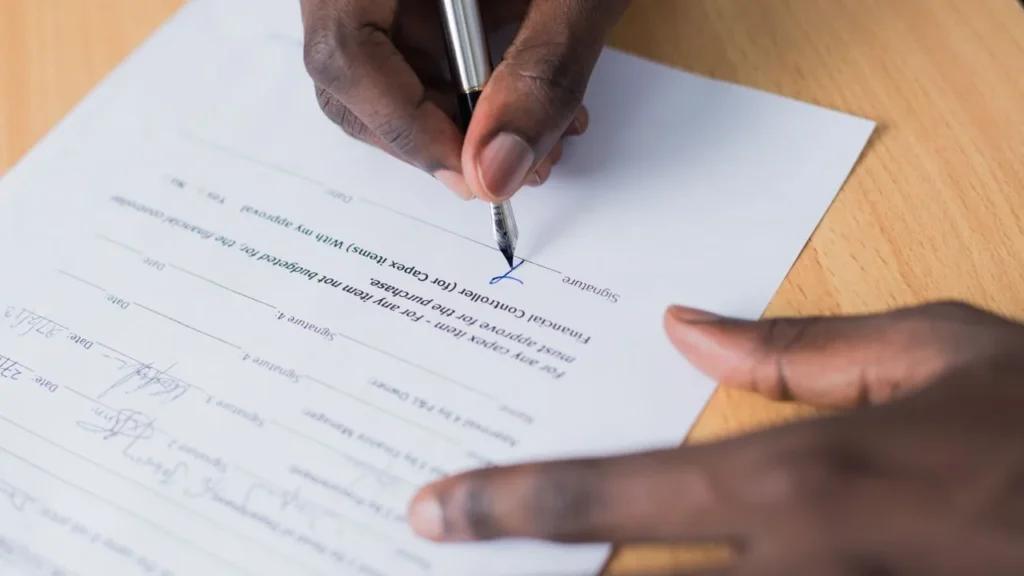
Fraud thrives on ambiguity. Every detail of your shipment should be in a written agreement before you pay anything: the total price, the pickup window, the deposit terms, the cancellation policy, and what happens if the price needs to change.
Read the contract. I know nobody wants to, but in this industry the fine print is where the traps live. Look for clauses that let the company raise the price without limit, keep your deposit for any reason, or substitute carriers without notice.
Make sure the legal company name on the contract matches the company you verified. Some operations use one brand name for marketing and a different legal entity on paper. If the names do not match, find out why before you sign.
Checklist Item 4: Control the Money
How you pay is a fraud prevention tool. Follow these rules and you eliminate the most financially damaging schemes.
- Pay deposits by credit card only. Never by wire transfer, cash app, or cryptocurrency. Credit cards give you dispute rights. The others give you nothing.
- Keep deposits small. Reputable brokers charge little or nothing until a carrier is assigned. Large upfront payments are a hallmark of deposit scams.
- Never pay the full balance before delivery. The standard structure is a small deposit at dispatch and the balance to the carrier at delivery.
- At delivery, pay only the contracted total. If the driver demands more, document it and call your broker before paying anything extra.
Checklist Item 5: Document Your Vehicle
Fraud is not only about money. Damage claim fraud, where a carrier denies responsibility for damage they caused, is one of the most common disputes in the industry. Your defense is documentation.
Before pickup, photograph every exterior panel, the roof, the wheels, the glass, and the interior. Record the mileage. Do this in good light and keep the photos timestamped.
At pickup, make sure the driver completes a thorough inspection and notes every existing scratch, ding, and imperfection on the bill of lading. Both of you sign it. This document is the official condition record, and without it, damage claims become nearly impossible to win.
At delivery, inspect the car before you sign anything or hand over payment. Compare against your pickup photos. Note any new damage on the bill of lading before signing. Once you sign a clean delivery receipt, disputing damage later becomes extremely difficult.
Checklist Item 6: Research Reputation Patterns
Check the company’s complaint history with the FTC and the Better Business Bureau. Read reviews across multiple platforms, focusing on complaint patterns rather than star ratings. Look specifically for repeated mentions of price increases, hostage loads, and unreturned deposits.
Cross reference the company’s marketing claims against their federal record. If they advertise twenty years in business but their MC number is eighteen months old, something does not add up. Name changes are the standard escape hatch for bad operators.
Our full catalog of warning signs lives in the car shipping red flags guide. Run through it before you book.
Checklist Item 7: Secure Your Communications
Keep every interaction in writing. Email beats phone calls for anything that matters: quotes, price changes, pickup windows, and promises. If a representative makes a verbal promise, follow up with an email confirming what was said.
Be cautious about who you share personal information with. You will need to provide your name, phone number, addresses, and vehicle details to book. You do not need to provide social security numbers, bank account details, or copies of your title to get a quote. Requests for sensitive financial data during the quote stage are a major warning sign.
What To Do If Fraud Happens Anyway
Even careful shippers occasionally get caught. If it happens to you, act fast and in this order.
First, document everything. Save every email, contract, receipt, and text message. Write down a timeline of what happened while it is fresh. Take photos of any damage or relevant conditions.
Second, if money is involved and you paid by credit card, contact your card issuer immediately about disputing the charge. Time limits apply, so do not wait.
Third, file complaints with the FMCSA, the FTC, and your state attorney general. Report the company on the BBB Scam Tracker. These filings create an official record and can trigger investigations when patterns emerge.
Fourth, for hostage loads where a carrier refuses to release your vehicle, contact local law enforcement. Holding a vehicle for payment beyond the contracted amount may violate state laws, and a police report strengthens every other action you take.
This video covers practical fraud and theft prevention tips for vehicle transport:
Frequently Asked Questions
What is the most common car shipping fraud?
The bait and switch quote is by far the most common. A broker quotes an unrealistically low price to win your business, then raises it dramatically once you are committed. It accounts for the majority of consumer complaints in auto transport. Always get multiple quotes and treat extreme outliers as suspicious.
How do I know if a company is really licensed?
Look up their MC number on the FMCSA SAFER system yourself. Do not take the company’s word for it and do not trust a license number printed on a website without verifying it. The lookup is free, takes two minutes, and shows operating status, authority type, and insurance filings.
Is it safe to pay a deposit online?
Paying by credit card through a company’s secure payment system is generally safe and gives you dispute protection. What is not safe is wiring money, sending cash app payments, or paying large deposits before a carrier is assigned. The payment method matters more than the payment channel.
What if the carrier that shows up is different from who I booked?
Contact your broker immediately before the car is loaded. Ask why the substitution happened and verify the new carrier’s license and insurance on the spot. You have the right to refuse loading until you are satisfied. Do not let a driver rush you past this check.
Can I get my money back from a fraudulent company?
It depends on how you paid and how quickly you act. Credit card disputes are the most reliable path for deposits. Claims against a broker’s surety bond are another option for licensed brokers. Filing complaints with the FMCSA and FTC helps build the enforcement record. Recovery is never guaranteed, which is why prevention matters so much more.
Fraud prevention in car shipping comes down to one principle: verify everything yourself and trust paperwork over promises. Run the license check, confirm the insurance, get firm terms in writing, pay by credit card, document your vehicle, and keep every communication. It is about thirty minutes of diligence total. That is a small price to protect a vehicle worth thousands and a move you cannot afford to have go wrong.