
Open Auto Transport: How It Works, What It Costs, and What to Expect
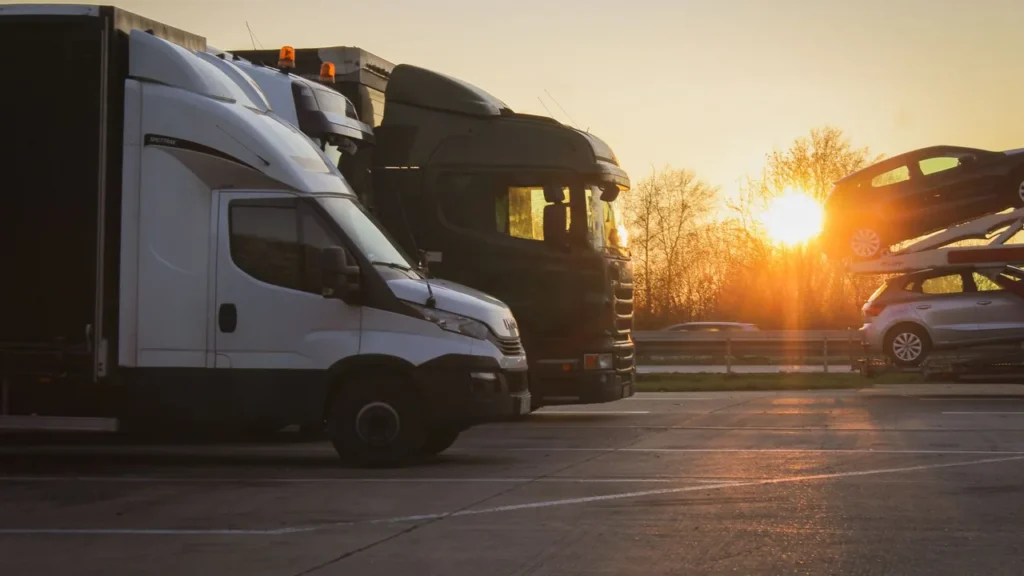
Open auto transport is how the vast majority of cars move across the country. If you have ever seen a double-decker truck loaded with new cars heading down the interstate, you have seen an open carrier at work. It is the standard, most affordable, and most widely available way to ship a vehicle.
Despite its popularity, many first-time shippers do not really know what happens after they book. How does the car get loaded? What is it exposed to on the road? What should you do before pickup, and what happens at delivery? This guide answers all of it: how open transport works, what it costs, and exactly what to expect from booking to delivery.
How Open Auto Transport Works
The process starts when you book your shipment, usually through a broker who matches your car with a carrier, or directly with a carrier that runs your route. After booking, you get a pickup window, typically a range of one to five days. The driver calls ahead, usually a few hours to a day before arrival, to confirm the meeting point.
At pickup, the driver inspects your car with you and records its condition on the bill of lading, the legal document that travels with your vehicle. Note every existing scratch, dent, and chip, and take your own dated photos from all angles. This inspection is your baseline: anything not recorded here is hard to claim later. Our bill of lading guide explains this document in detail.
Your car is then driven or winched onto the carrier and secured with wheel straps or chains. Open carriers have two levels, and hydraulic ramps allow the upper deck to tilt for loading. Cars are positioned to balance the trailer’s weight, with heavier vehicles low and toward the front. Once secured, your car rides with up to nine others to its destination. For a fuller walkthrough of the whole shipping timeline, see how car shipping works.
What Open Transport Costs
Open transport is the cheapest way to ship a car. On a per-mile basis, short trips cost more per mile and long trips cost less: a 500-mile shipment might run $500 to $700, a 1,500-mile shipment $800 to $1,100, and a coast-to-coast run $1,100 to $1,400. These are typical ranges, not quotes, and your price moves with the factors below.
Distance is the biggest factor, followed by vehicle size. SUVs, trucks, and anything oversized take more deck space and weight capacity, so they cost more than a compact sedan. Route popularity matters too: busy corridors like California to Texas or Florida to New York have more carriers competing, which keeps prices down. Rural pickups and deliveries cost more because the truck goes out of its way.
Season plays a role as well. Summer is peak moving season, and winter brings the snowbird migration south, both of which tighten capacity and push prices up. Booking two to three weeks ahead generally gets you better pricing and a tighter pickup window than last-minute booking. Our car shipping cost guide breaks down every pricing factor with current ranges.
What Your Car Is Exposed To on an Open Carrier
Honesty first: on an open carrier, your car is exposed to the weather and the road. Rain, dust, sun, and highway grime will reach it. On a multi-day trip, it will arrive dirty. That is normal and expected, and it is the main trade-off you accept for the lower price.
What about damage? It is uncommon. Carriers secure vehicles with professional tie-downs, drivers do this for a living, and the cargo insurance that every interstate carrier must carry covers your vehicle during transit. The Federal Motor Carrier Safety Administration requires interstate auto carriers to maintain cargo insurance, and you can verify any carrier’s credentials in the FMCSA database before booking.
The realistic risks are cosmetic: a rock chip from road debris, a door ding from a neighboring vehicle shifting slightly, or dust worked into crevices. Serious damage is rare. If it does happen, the pickup inspection and bill of lading are what make your claim possible, which is why documenting condition at pickup is non-negotiable.
How to Prepare Your Car for Open Transport
Preparation is simple but worth doing right. Wash the car before pickup so the inspection shows every mark clearly. Remove personal items and aftermarket accessories that could come loose: toll tags, bike racks, spoilers that are not bolted down, and anything valuable in the cabin. Carriers are not liable for personal belongings, and most prohibit them outright.
Leave about a quarter tank of fuel, enough for loading and unloading but not so much that it adds unnecessary weight. Check for leaks, make sure the battery holds a charge, and note any mechanical quirks for the driver, like a tricky ignition or a parking brake that sticks. Disable the alarm or show the driver how to disarm it. Our car shipping preparation checklist covers every step.
Pickup Day: What to Expect
On pickup day, the driver will call when they are close. Large carriers cannot always reach your exact address, especially on narrow streets or in neighborhoods with low trees or tight turns. If the truck cannot safely get to your door, you will meet at a nearby parking lot or wide street. This is normal door-to-door service in practice, and it is worth discussing the meeting point when the driver calls.
Be present for the inspection, or send someone you trust. Walk around the car with the driver, confirm every existing mark is noted on the bill of lading, and sign only when you agree with what is written. Keep your copy of the paperwork and your own photos. Then hand over one set of keys and you are done. Our pickup day guide walks through the whole handoff.
Delivery: What to Expect
The driver will call ahead of delivery, usually with a few hours’ notice. Transit times run roughly one to two days for trips under 500 miles, three to five days for 1,000 to 1,500 miles, and seven to ten days coast to coast. Weather, traffic, and other pickups and deliveries along the route can shift these windows, so treat the estimate as a range, not an appointment.
At delivery, inspect the car before you sign anything. Compare its condition against the pickup bill of lading and your photos. Check the roof, hood, and bumpers closely, since these catch the most road exposure. If you find new damage, note it on the delivery bill of lading before signing, take photos, and contact the company immediately to start a claim. Signing a clean delivery receipt makes claiming later damage far harder.
Pay any remaining balance as agreed, usually by cash, cashier’s check, or card depending on the company’s terms. Get a final receipt. Then give the car a good wash: after days on an open trailer, it will have earned it.
Open vs Enclosed: The Quick Comparison
Open transport wins on price, availability, and scheduling speed. It is the right choice for daily drivers, standard SUVs and trucks, leased vehicles, and any car where the owner is comfortable with normal road exposure. The vast majority of shipments go open, and the vast majority arrive without incident.
Enclosed wins on protection from weather, debris, and visibility. It is the right choice for classics, exotics, fresh restorations, and high-value vehicles where cosmetic risk carries a real financial cost. It costs 30 to 60 percent more and takes longer to schedule. If you are on the fence, our open vs enclosed comparison and our honest answer on whether enclosed is worth the extra money will help you decide.
FAQs About Open Auto Transport
Is open auto transport safe?
Yes. Open transport is the industry standard, moving thousands of vehicles daily with a strong safety record. Every interstate carrier must carry cargo insurance, and professional drivers secure each vehicle with rated tie-downs. Cosmetic exposure to dust and weather is normal, but significant damage is uncommon.
How much does open car transport cost?
Typical ranges are $500 to $700 for 500 miles, $800 to $1,100 for 1,500 miles, and $1,100 to $1,400 coast to coast for a standard sedan. SUVs and trucks cost more, and prices rise in peak seasons. Booking two to three weeks ahead usually gets the best rate.
How long does open transport take?
Once loaded, transit runs about one to two days under 500 miles, three to five days for 1,000 to 1,500 miles, and seven to ten days cross-country. Add the pickup window of one to five days before loading when planning your schedule.
Will my car get dirty on an open carrier?
Almost certainly, yes. Road dust, rain, and highway grime reach every car on an open trailer. Plan on a wash after delivery. If arriving clean matters, for example for a car show or a sale, enclosed transport is the alternative.
Can I leave personal items in the car?
Most carriers prohibit personal belongings, and their cargo insurance does not cover them. Some allow up to 100 pounds in the trunk, but policies vary. Confirm with your specific carrier before pickup, and never leave valuables in the vehicle.
What if my car is damaged during open transport?
Note the damage on the delivery bill of lading before signing, photograph everything, and notify the company immediately. Your pickup inspection paperwork is the evidence that makes the claim work. Check carrier reviews and complaint history beforehand through the Better Business Bureau and the FTC’s consumer guidance on avoiding shipping scams.
Open auto transport is popular for a simple reason: it moves cars safely across the country at a fair price. Book a verified carrier, document your car’s condition, prepare it properly, and inspect it at delivery. Do those four things and the process is straightforward from start to finish. If you are comparing prices, our guide on the cheapest way to ship a car shows how to keep costs down without cutting corners.

Pingback: Lifted Truck Shipping: Oversized Vehicle Transport Costs